
Shop SKOON. Skincare Products For Oily Skin
Science-led, A-Beauty, and proudly made in South Africa, SKOON. creates premium skincare powered by advanced actives and natural, non-toxic ingredients to support oily skin in maintaining balance and clarity.
Designed for skin with naturally higher oil production, our oily skin collection delivers smart sebum regulation, lightweight hydration, and barrier support to help skin feel fresh, refined, and comfortable throughout the day. These formulas help minimise the appearance of shine and promote a clean, matte-looking finish without stripping the skin’s natural moisture or overwhelming the complexion.
Shop SKOON.’s skincare products for oily skin online and enjoy fast delivery across South Africa.
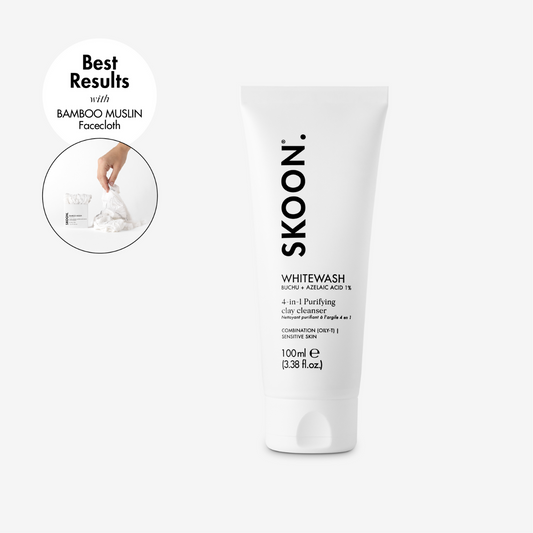
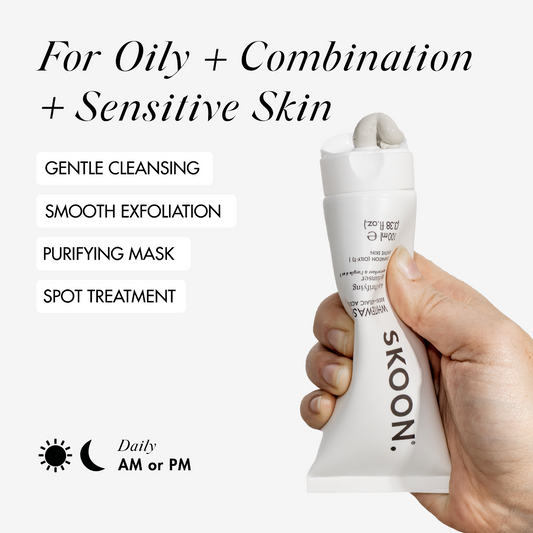
WHITEWASH Purifying Clay Cleanser


RETININ® NIGHT Intensive 0.1% Retinal Firming Treatment
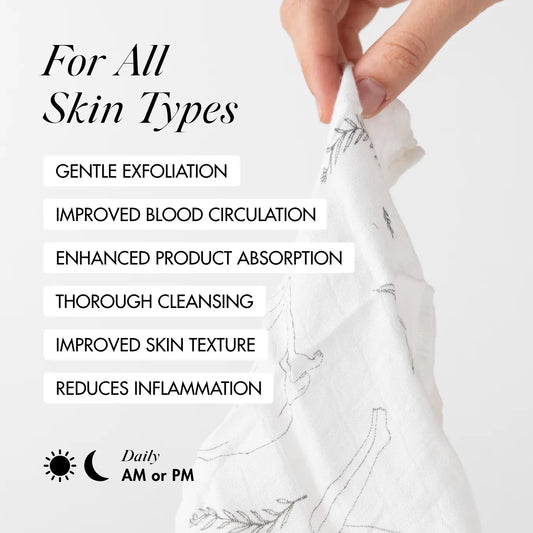
BAMBOO MUSLIN Facecloth


SKIN PJ's Activator Face Mist
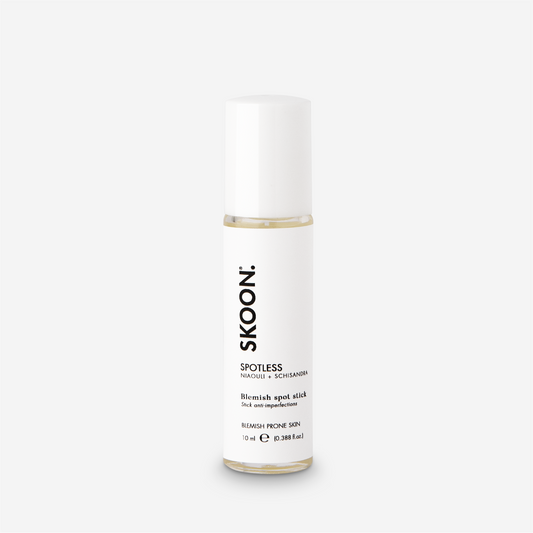
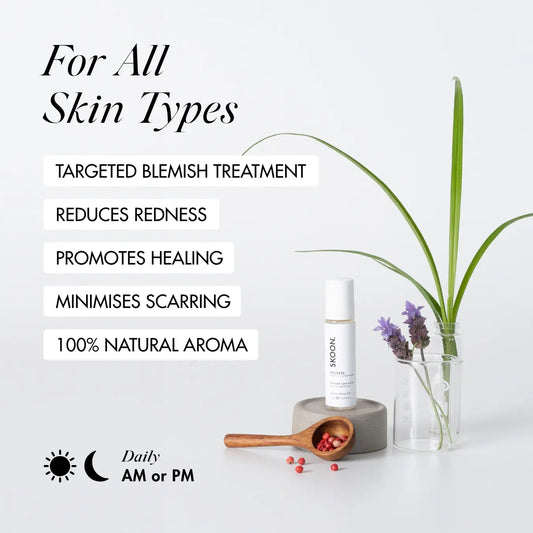
SPOTLESS Blemish Spot Treatment
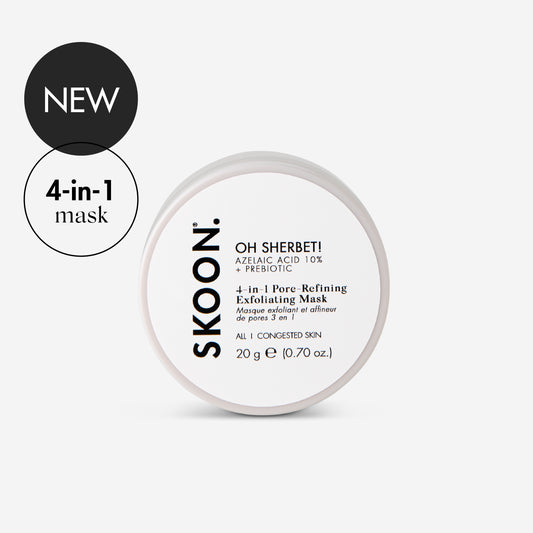

OH SHERBET! Azelaic Acid 10% Exfoliating Clay Mask


SLEEP DEPUFF Eye Gel Pen
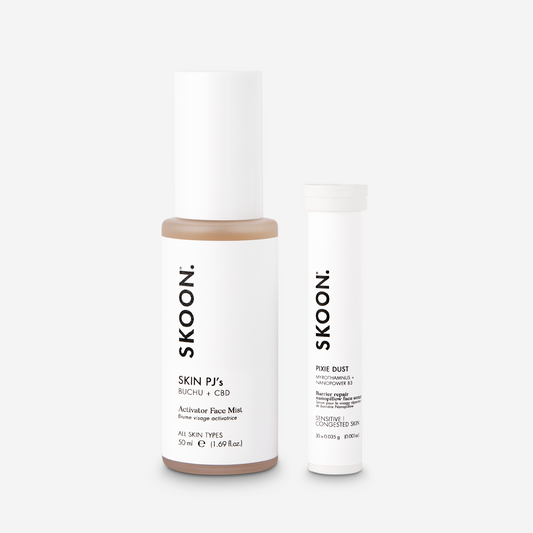
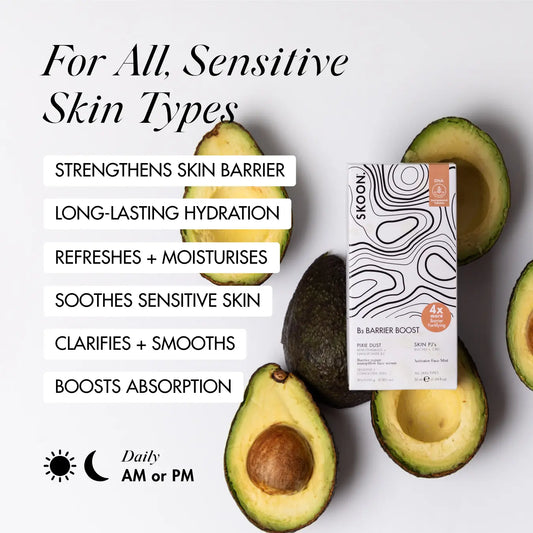
B3 BARRIER REPAIR NanoPillow Serum
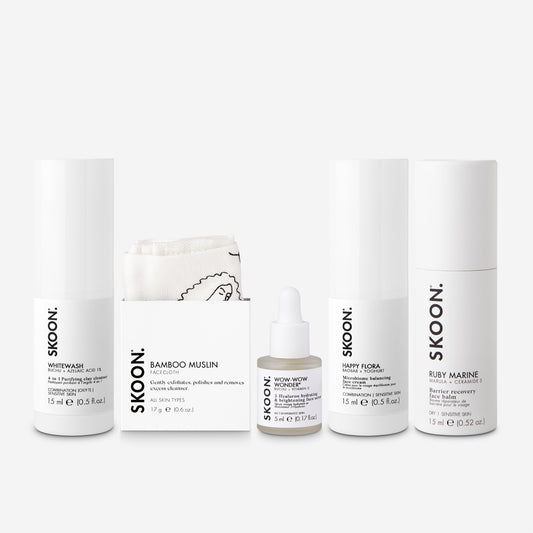

TAME THE T-ZONE Everyday Essentials
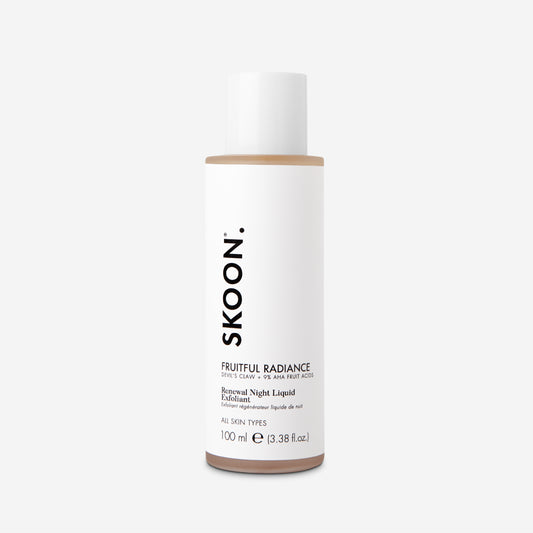

FRUITFUL RADIANCE Renewal Night Liquid Exfoliant
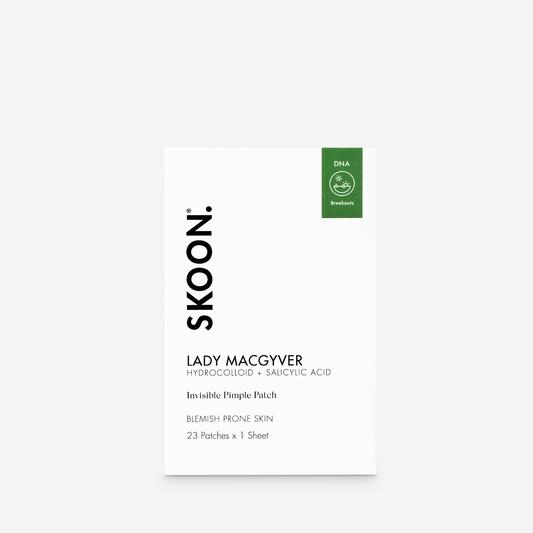

LADY MACGYVER Invisible Pimple Patches
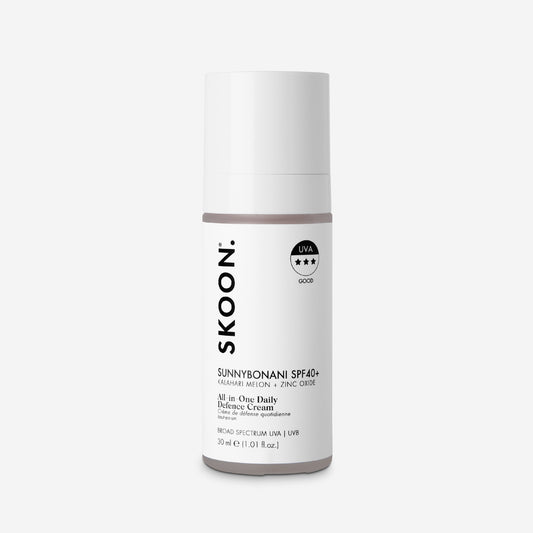
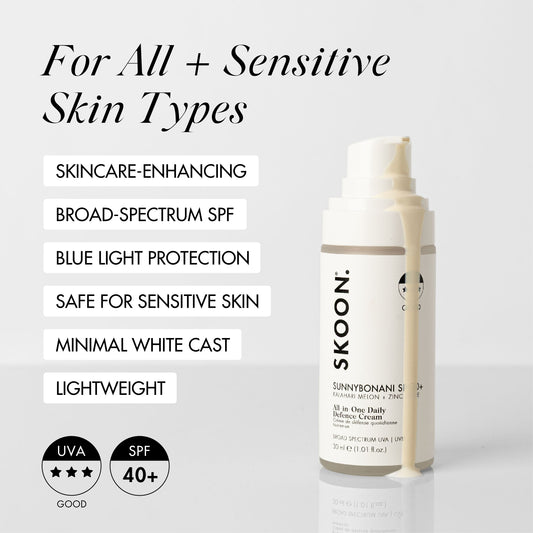
SUNNYBONANI® SPF40+ All-in-One Daily Defence Cream
- Featured
- Most relevant
- Best selling
- Alphabetically, A-Z
- Alphabetically, Z-A
- Price, low to high
- Price, high to low
- Date, old to new
- Date, new to old
Recently Viewed Products
Frequently Asked Questions About Oily Skin
What causes oily skin?
Oily skin (seborrheic skin) occurs when the skin’s sebaceous glands produce higher-than-average amounts of sebum — the natural oil that lubricates and protects the skin. While sebum is essential for healthy skin, increased production leads to a shinier complexion, more visible pores, and a tendency for oil to accumulate throughout the day.
The main factors that influence sebum production include:
Primary causes
- Genetics: The number, size, and activity of sebaceous glands are largely determined by your genes. If oily skin runs in your family, you’re more likely to have it.
- Hormones: Androgens stimulate sebaceous glands. Fluctuations during puberty, menstrual cycles, pregnancy, stress, or conditions such as PCOS can significantly increase oil production.
Secondary or Aggravating factors
- Dehydration: When the skin lacks sufficient water (dehydrated), it may compensate by producing more oil to prevent further moisture loss.
- Over-cleansing or harsh products: Using aggressive, high-pH, or stripping cleansers can disrupt the skin’s barrier, triggering a rebound effect where sebaceous glands produce even more sebum to restore protection.
- Climate & environment: Warm, humid weather can make existing oil more noticeable and increase sebum flow.
- Diet & lifestyle (less direct): While not a primary cause, high-glycemic diets, dairy, or chronic stress may exacerbate oiliness in some people.
SKOON’s skincare products aim to balance this production rather than strip it, using intelligent ingredients such as Azelaic Acid and Niacinamide. Shop our full collection of oily skin care products today.
What is the best face wash for oily skin?
The best facial cleanser for oily skin effectively removes excess sebum, dirt, makeup, sunscreen, and environmental impurities while preserving the skin's natural barrier and moisture balance. It should be gentle, non-stripping, and ideally pH-balanced to avoid disrupting the acid mantle or triggering compensatory overproduction of oil.
Dermatologists recommend gel, foaming gel, or clay-based cleansers for oily skin — preferably with mild surfactants, oil-absorbing agents (like kaolin or bentonite clay), and clarifying actives (salicylic acid/BHA, niacinamide, or zinc) — that cleanse deeply without leaving skin tight, dry, or squeaky-clean (a sign of over-stripping).
We recommend the WHITEWASH Purifying Clay Cleanser, formulated specifically with soft clay to gently absorb excess oil and impurities while keeping the skin’s pH balanced.
What is SKOON.’s recommended skincare regimen for oily skin?
A regimen for oily skin should focus on deep cleansing, water-based hydration, and oil regulation. SKOON.’s dermatologists recommend the skin care routine:
- Cleanse: Start with WHITEWASH Purifying Clay Cleanser to detoxify pores.
- Tone & Hydrate: Spritz with SKIN PJ's Activator Face Mist. This provides oil-free hydration, preventing your skin from producing excess oil from dehydration.
- Treat (AM/PM): Apply B3 BARRIER REPAIR NanoPillow Serum (Niacinamide) to regulate sebum and refine pore size.
- Moisturise: Use the GINGER LILY Oil Control Face Gel-Cream. Its lightweight gel texture hydrates without clogging pores or adding shine.
Weekly Maintenance: Use OH SHERBET! Azelaic Acid 10% Exfoliating Clay Mask to minimise clogged pores and reduce inflammation.
What to use for oily skin and pimples?
Acne-prone skin or frequent breakouts require skincare products that target bacteria and inflammation without causing dryness. We recommend the following skincare routine:
- Treat: For active acne breakouts, use SPOTLESS Blemish Spot Treatment directly on the problem area.
- Protect: Apply LADY MACGYVER Invisible Pimple Patches to cover the spot and prevent picking.
- Prevent: Incorporate OH SHERBET! Azelaic Acid 10% Exfoliating Clay Mask into your routine. It uses Azelaic Acid to help prevent acne breakouts and clear congestion.
Shop SKOON.’s range of breakout products, designed to target acne-causing bacteria and balance sebum production in your skin.
Which sunscreen is best for oily skin?
People with oily skin often skip sun protection because they fear it will make them greasy, but UV rays cause sun damage and increase the risk of skin cancer regardless of skin type.
You need a broad-spectrum sunscreen that won't clog your pores. SUNNYBONANI® SPF40+ All-in-One Daily Defence Cream is a lightweight formula that protects while acting as a moisturiser. It helps prevent sun damage without leaving a heavy, sticky residue.
Is niacinamide good for oily skin?
Yes, Niacinamide is one of the key ingredients dermatologists recommend for oily skin. It works for a variety of skin concerns, calming inflammation and regulating sebum production.
Our B3 BARRIER REPAIR NanoPillow Serum contains a healthy dose of Niacinamide. It helps reduce oiliness, minimise the look of pores, and strengthen the barrier, making it a staple in any oily skin care routine.
How do you treat oily skin with pimples?
To treat oily skin with pimples, you must clear the congestion that traps sebum, and follow a skincare routine as follows:
- Exfoliate: Use products with glycolic acid or fruit enzymes, like the FRUITFUL RADIANCE Renewal Night Liquid Exfoliant, to dissolve the bonds between dead skin cells.
- Unclog: Use OH SHERBET! Azelaic Acid 10% Exfoliating Clay Mask to deep clean pores (similar to how salicylic acid works).
Balance: Maintain the right skincare routine to control the oil that feeds acne bacteria.
How do you know if your skin is oily or dry?
A simple, dermatologist-recommended way to identify your skin type is the "bare-faced" or "watch and wait" test. It reveals how your skin behaves naturally without products influencing the results.
How to do the test:
- Wash your face gently with a mild cleanser (avoid harsh soaps or actives).
- Pat dry with a soft towel. Do not apply any moisturizer, serum, makeup, or SPF.
- Wait 30-60 minutes (ideally in a neutral environment, away from extreme heat/humidity or air conditioning).
Observe your skin in good lighting (mirror + natural light if possible):
- Oily skin: The face appears shiny or greasy all over (or prominently in the T-zone and beyond), with a slick feel to the touch. Shine returns quickly, often within hours, and you may notice enlarged pores.
- Dry skin: The skin feels tight, rough, or uncomfortable (especially when making expressions like smiling); it may look dull, matte, or show fine flakiness/rough texture. No noticeable shine or oil buildup.
- Combination skin (common variant): Shine/oil primarily in the T-zone (forehead, nose, chin), while cheeks or other areas feel tight/dry or stay matte.
- Normal/balanced skin (less common): Feels comfortable, supple, hydrated, and smooth — no excessive shine or tightness.
Optional blotting sheet test (for clearer oil evidence):
After the 30-60 minute wait, gently press clean blotting papers (or plain tissue) onto different areas (forehead, nose, cheeks, chin). Hold them up to the light:
- Abundant oil marks across sheets → Oily skin.
- Little to no oil → Dry skin.
- Oil mainly from the T-zone → Combination.
This test works best when your skin is in its usual state (not right after travel, extreme weather, or hormonal shifts). Skin type can fluctuate slightly with age, seasons, hormones, or environment, so observe over a few days for the most accurate picture.
Shop SKOON.’s range of products for oily skin to find your perfect balance.
What does “normal to oily skin” mean?
“Normal to oily” skin describes a common variation of combination skin where the overall complexion leans toward balance (normal) but shows noticeably oilier tendencies in specific zones, most often the T-zone (forehead, nose, and chin).
The sebaceous glands in these central areas produce more sebum than those on the cheeks, jawline, or outer face, creating a mixed pattern of oil distribution across the face.
Key characteristics:
- T-zone: Shiny or slightly greasy appearance, especially by midday; visible or enlarged pores; quicker buildup of oil after cleansing.
- Cheeks & outer face: Comfortable, supple, and matte; feels neither overly tight nor oily; maintains good hydration and smoothness.
- Overall: Skin is generally resilient and well-balanced in most areas, with the oiliness concentrated centrally rather than uniform across the entire face. This makes it distinct from purely oily skin (shine everywhere) or fully normal skin (even moisture and oil without zonal differences).
This pattern is very common and often influenced by genetics, hormones, humidity, or age (oil production can shift over time).
SKOON.'s combination skin collections are designed precisely for this profile: lightweight yet hydrating formulas that mattify and clarify the T-zone without compromising the cheeks' natural equilibrium, helping you achieve harmonious, radiant skin across all areas.
If you'd like help identifying your exact pattern or building a routine, book a free SKOON. Skin Consultation with our in-house Somatologist.